Electronic Component Manufacturers Guide: Explore Types, Components, Manufacturing & Key Insights
Electronic components are the basic building blocks used in electronic circuits, electrical equipment and digital systems. Products ranging from smartphones and computers to vehicles, industrial machines, medical equipment and communication systems depend on different types of electronic components.
Electronic component manufacturers produce these parts using specialized materials, manufacturing processes, testing methods and quality-control systems. Depending on the component, manufacturing may involve semiconductor fabrication, precision machining, molding, plating, assembly, testing and automated inspection.
Understanding component categories and manufacturing processes provides useful context for the broader electronics industry.
What Are Electronic Components?
An electronic component is an individual part designed to perform a specific electrical or electronic function within a circuit.
Components can control, store, conduct, transform or respond to electrical energy and signals.
Common examples include:
Resistors
Capacitors
Inductors
Diodes
Transistors
Integrated circuits
Connectors
Switches
Sensors
Relays
Crystals and oscillators
Printed circuit boards
Different components have different electrical characteristics and manufacturing requirements.
Major Types of Electronic Components
Electronic components are commonly divided into several broad categories.
Passive Components
Passive components generally do not provide electrical gain.
Important examples include:
Resistors: Control or limit electrical current and are also used for voltage division.
Capacitors: Store electrical charge temporarily and are widely used for filtering, timing and energy-management applications.
Inductors: Store energy in a magnetic field and are commonly used in filtering, power conversion and signal applications.
Active Components
Active components can control or amplify electrical signals.
Examples include:
Transistors
Diodes
Integrated circuits
Microprocessors
Microcontrollers
Power semiconductor devices
Semiconductor manufacturing plays a major role in producing many active electronic components.
Electromechanical Components
These components combine electrical and mechanical functions.
Examples include:
Relays
Switches
Connectors
Motors
Electromechanical actuators
They are used in applications where electrical signals interact with physical movement or connections.
Major Categories of Electronic Component Manufacturers
Manufacturers often specialize in particular component categories.
Semiconductor Manufacturers
Semiconductor manufacturers produce components such as:
Microprocessors
Microcontrollers
Memory devices
Power semiconductors
Sensors
Analog integrated circuits
Communication chips
Semiconductor production involves highly controlled manufacturing environments and sophisticated fabrication processes.
Passive Component Manufacturers
These manufacturers produce resistors, capacitors, inductors and related components.
Manufacturing requirements vary significantly depending on factors such as material composition, electrical characteristics, physical dimensions and application requirements.
Connector Manufacturers
Connector manufacturers produce components designed to establish electrical or electronic connections between circuits, cables, boards and other equipment.
Examples include:
Board-to-board connectors
Wire-to-board connectors
Cable connectors
Automotive connectors
High-speed data connectors
Sensor Manufacturers
Sensors convert physical conditions into electrical signals or measurable data.
Common sensor categories include:
Temperature sensors
Pressure sensors
Motion sensors
Light sensors
Magnetic sensors
Humidity sensors
Electronic Component Manufacturing Process
The manufacturing process depends heavily on the component type.
However, several common stages are found across the industry.
1. Material Selection
Manufacturers select materials according to the electrical, mechanical and environmental requirements of the component.
Materials may include:
Silicon
Copper
Aluminum
Ceramic materials
Polymers
Glass
Specialty alloys
2. Component Formation
Raw materials are processed into the required shapes or structures.
Depending on the component, this can involve:
Molding
Cutting
Machining
Deposition
Etching
Sintering
Stamping
3. Assembly
Individual materials or subcomponents are combined into a finished component.
Automated assembly equipment is widely used for high-volume production.
4. Electrical Testing
Components are tested to determine whether they meet required electrical specifications.
Testing can examine characteristics such as:
Resistance
Capacitance
Voltage
Current
Frequency response
Leakage
Switching behavior
5. Inspection
Visual and automated inspection systems can identify manufacturing defects.
Modern production environments may use automated optical inspection, imaging systems and other measurement technologies.
6. Packaging and Labelling
Finished components are packaged according to their intended application and handling requirements.
Packaging can also protect components from moisture, physical damage and electrostatic discharge where necessary.
Semiconductor Component Manufacturing
Semiconductor manufacturing is one of the most technologically complex areas of electronic component production.
A simplified semiconductor manufacturing process may include:
Silicon wafer preparation
Thin-film deposition
Photolithography
Etching
Doping or ion implantation
Interconnection formation
Wafer testing
Dicing
Packaging
Final testing
Modern semiconductor production can involve extremely small structures and tightly controlled manufacturing conditions.
Quality Control in Electronic Component Manufacturing
Quality control is important because component defects can affect the reliability of complete electronic systems.
Manufacturers may use:
Incoming material inspection
Process monitoring
Automated inspection
Electrical testing
Environmental testing
Reliability testing
Statistical process control
Traceability systems
Quality requirements vary according to component type and end-use industry.
Industry Standards and Certifications
Electronic component manufacturers may work with various technical standards and quality-management frameworks.
Examples include:
ISO 9001
ISO 14001
IATF 16949 for relevant automotive supply chains
IPC standards
IEC standards
JEDEC standards for relevant semiconductor and memory technologies
The applicable standard depends on the component, manufacturing process and target industry.
Certification to a standard should not automatically be interpreted as a guarantee that every individual component will perform identically under every operating condition. Product specifications and testing requirements remain important.
Electronic Components for Different Industries
Electronic components are used across many industries.
Consumer Electronics
Smartphones, laptops, televisions, appliances and wearable devices use large numbers of electronic components.
Automotive
Modern vehicles contain components for:
Engine control
Battery management
Driver assistance
Infotainment
Lighting
Sensors
Communication
Safety systems
The growth of electric and software-defined vehicles has increased the importance of power electronics, sensors and computing components.
Industrial Automation
Factories use electronic components in:
Controllers
Sensors
Drives
Robotics
Industrial networking
Monitoring systems
Telecommunications
Communication infrastructure depends on components for signal processing, power management, networking and high-frequency applications.
Medical Electronics
Medical equipment can use sensors, processors, displays, power-management components and communication electronics.
Component requirements in medical applications can be particularly dependent on equipment design, applicable regulations and reliability requirements.
Electronic Component Supply Chain
The electronic component industry operates through a global supply chain.
A typical supply chain can include:
Raw materials → Component manufacturing → Testing → Packaging → Distribution → Equipment manufacturing → Final product
The industry can be affected by:
Raw-material availability
Semiconductor capacity
Transportation conditions
Geopolitical developments
Demand changes
Manufacturing capacity
Inventory levels
Regional disruptions
For manufacturers, maintaining visibility across suppliers and inventory can therefore be important.
Component Traceability
Traceability allows manufacturers and distributors to identify information about a component's production and movement through the supply chain.
Traceability may include:
Manufacturer identification
Part number
Production date or batch
Lot information
Manufacturing location
Testing records
Traceability can support quality investigations and supply-chain management.
Key Factors When Evaluating Electronic Components
Organizations typically consider several technical characteristics before selecting a component.
Electrical Specifications
Important parameters can include:
Voltage rating
Current rating
Resistance
Capacitance
Frequency
Power rating
Tolerance
Physical Characteristics
Size, weight, mounting method and package type may influence whether a component fits into a particular design.
Environmental Conditions
Temperature, humidity, vibration and other environmental conditions can affect component performance and reliability.
Reliability Requirements
Applications with demanding operating conditions may require additional reliability testing and qualification.
Availability
Lead times, production capacity and lifecycle status can affect component planning.
Technology Trends in Electronic Components
The electronic component industry continues to evolve alongside computing, automotive, industrial and communication technologies.
Important trends include:
Smaller component packages
Higher semiconductor integration
Wide-bandgap power semiconductors
Silicon carbide and gallium nitride technologies
Advanced sensors
Automotive electronics
Artificial intelligence hardware
Internet of Things devices
High-speed connectivity
Increasing automation in manufacturing
Power electronics are also becoming increasingly important as electric vehicles, renewable-energy systems and energy-storage technologies expand.
Challenges for Electronic Component Manufacturers
Manufacturers face several technical and operational challenges.
Supply Chain Complexity
Global manufacturing networks can involve many suppliers and production locations.
Quality Requirements
Small defects can affect electronic-system performance, making process control important.
Technology Changes
New semiconductor architectures, packaging technologies and materials can require continuous manufacturing development.
Production Costs
Advanced manufacturing equipment and highly controlled production environments can require substantial investment.
Counterfeit Components
The presence of counterfeit or improperly represented components can create quality and reliability concerns. Traceable sourcing and appropriate verification processes can help organizations manage this risk.
Frequently Asked Questions
What do electronic component manufacturers produce?
They produce components such as resistors, capacitors, inductors, semiconductors, sensors, connectors, switches and other parts used in electronic systems.
What are the main types of electronic components?
Broad categories include passive components, active components and electromechanical components. Semiconductor devices form an important part of the active-component category.
How are electronic components tested?
Testing depends on the component and may include electrical measurements, visual inspection, environmental testing, reliability testing and automated inspection.
What materials are used to manufacture electronic components?
Materials can include silicon, copper, aluminum, ceramics, polymers, glass and various specialty alloys.
Why is component traceability important?
Traceability can help identify manufacturing batches, production information and supply-chain records, supporting quality management and investigation of component issues.
Which industries use electronic components?
Almost every modern technology sector uses electronic components, including consumer electronics, automotive, telecommunications, industrial automation, energy and medical electronics.
Conclusion
Electronic component manufacturers form an essential part of the global electronics ecosystem. They produce the passive, active, semiconductor, electromechanical and sensor components that enable modern electronic products and systems.
Manufacturing can involve sophisticated material processing, precision production, automated assembly, electrical testing and quality-control processes. At the same time, supply-chain management, component traceability, technical standards and reliability requirements play important roles in the industry.
As technologies such as electric vehicles, artificial intelligence, connected devices, automation and advanced communication systems continue to develop, electronic components are expected to remain an important foundation of modern technology.
Disclaimer: This article is provided for general informational and educational purposes only. Component specifications, manufacturing processes, standards, certifications and industry practices can vary by manufacturer, product category and application. Readers should consult current technical documentation and applicable standards before making engineering, procurement or manufacturing decisions. This article does not promote or recommend any particular electronic component manufacturer or product.

Related Post...
Electronic Laboratory Equipment Guide: Explore Instruments, Measurements, Testing & Applications
Updated: September 24, 2026
Read More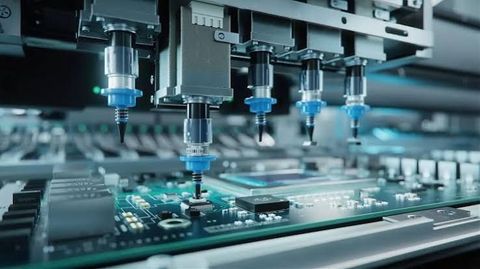
Electronic Component Manufacturers Guide: Explore Types, Components, Manufacturing & Key Insights
Updated: September 24, 2026
Read More
Electronic Testing Equipment Guide: Explore Laboratory Instruments, Functions & Measurements
Updated: September 24, 2026
Read More