ERP Software Guide: Explore Features, Modules, Benefits & Business Applications
Businesses manage many connected activities, including accounting, purchasing, inventory, production, human resources, sales, and customer information. When each department uses separate tools or maintains independent records, sharing information and coordinating daily operations can become difficult.
Enterprise Resource Planning (ERP) software helps address this challenge by bringing important business processes together within an integrated digital system. It allows departments to work with shared information, follow consistent workflows, and monitor operational activities from a central platform.
ERP systems are used by organisations of different sizes and across industries. Their capabilities vary according to the software, selected modules, and business requirements. This guide explains how ERP software works, its major features, common modules, benefits, limitations, and practical business applications.
What Is ERP Software?
ERP stands for Enterprise Resource Planning. It refers to software designed to manage and connect an organisation’s core business processes through an integrated platform.
Instead of maintaining completely separate records for finance, inventory, purchasing, production, and employee information, an ERP system allows authorised departments to access relevant shared data.
For example, when a sales team records a customer order, the system may update inventory information, notify the warehouse, provide details to the finance department, and support order fulfilment. The exact workflow depends on the ERP configuration.
ERP software can be deployed through cloud-based platforms, on-premises infrastructure, or hybrid environments. Some systems provide a broad range of business functions, while others focus on specific industries or operational requirements.
How Does ERP Software Work?
ERP software generally works through connected modules that share information using a common database or integrated data structure.
Each module handles a particular business function, but information can move between departments according to configured workflows and access permissions.
A typical ERP process involves the following stages:
Data Entry: Employees record transactions, orders, purchases, employee details, or inventory movements.
Data Processing: The system processes information according to configured business rules.
Departmental Updates: Relevant modules receive updates when connected workflows are triggered.
Reporting: The software organises information into reports, dashboards, and operational summaries.
Business Monitoring: Managers review available information to understand performance and plan activities.
For example, when a company receives a purchase order, the purchasing module can record the transaction. Once the goods arrive and are verified, the inventory records can be updated. The finance module may then use the relevant information to process supplier invoices and payments.
This connected approach helps departments work with more consistent information.
Key Features of ERP Software
ERP software includes different capabilities depending on the provider, industry, and selected modules. However, several features are commonly found in modern ERP platforms.
1. Centralised Data Management
A centralised data structure allows departments to access shared business information. It can reduce duplicate records and differences between departmental reports when information is maintained correctly.
2. Workflow Automation
ERP systems can automate routine activities such as invoice generation, purchase approvals, order processing, inventory updates, and employee-related workflows.
Automation rules must be configured according to an organisation’s internal processes.
3. Reporting and Analytics
Reporting tools help users review financial records, sales performance, stock levels, production activity, and other business indicators. Dashboards may present selected information through charts, tables, and performance measurements.
4. Inventory Tracking
Inventory features help businesses monitor available stock, incoming materials, outgoing products, stock movements, and reorder requirements. Some systems also support multiple warehouses and locations.
5. Financial Management
Financial capabilities can include general ledger management, accounts payable, accounts receivable, budgeting, cash-flow records, tax information, and financial reporting.
6. User Access and Permissions
ERP platforms generally provide role-based access controls. These controls allow administrators to determine which employees can view, modify, approve, or manage specific information.
7. Integration with Other Software
ERP systems may connect with customer relationship management platforms, e-commerce applications, payment systems, warehouse tools, and other business applications through APIs or supported integrations.
8. Document Management
Some platforms provide tools to store, organise, attach, and retrieve business documents such as invoices, purchase orders, contracts, and employee records.
9. Mobile and Remote Access
Cloud-based ERP platforms may provide mobile applications or browser-based access, allowing authorised users to review selected business information outside the office.
10. Security and Data Protection
Common security capabilities include authentication, permission management, audit records, encryption, backups, and activity monitoring. The availability and implementation of these controls vary across platforms.
Common ERP Software Modules
ERP modules are individual functional areas within an integrated system. Organisations can select modules according to their operational requirements rather than using every available feature.
| ERP Module | Main Functions |
|---|---|
| Finance and Accounting | Financial records, invoices, payments, budgeting, and reporting |
| Human Resources | Employee information, attendance, payroll, and workforce administration |
| Inventory Management | Stock levels, warehouse records, and product movements |
| Procurement | Purchase requests, supplier records, and purchase orders |
| Sales Management | Customer orders, quotations, invoicing, and sales tracking |
| Manufacturing | Production planning, material requirements, and production monitoring |
| Supply Chain Management | Purchasing, logistics, distribution, and supply coordination |
| Customer Relationship Management | Customer information, interactions, and sales activities |
| Project Management | Project schedules, resource allocation, tasks, and progress |
| Business Intelligence | Data analysis, dashboards, and performance reporting |
Finance and Accounting Module
The finance module helps organisations maintain financial information and monitor transactions. Common functions include general ledger management, accounts payable, accounts receivable, bank reconciliation, budgeting, and financial statements.
It can also help connect financial records with purchasing, sales, and inventory activities.
Human Resource Management Module
The human resources module maintains employee-related information and supports administrative activities. Depending on the platform, it may include attendance tracking, leave management, payroll processing, recruitment records, and employee performance information.
Inventory and Warehouse Management Module
This module helps businesses monitor stock availability and warehouse operations. Features may include stock transfers, batch tracking, barcode scanning, warehouse locations, and reorder notifications.
Procurement and Supplier Management Module
Procurement tools support purchasing activities, from internal purchase requests to supplier selection, purchase orders, and invoice verification. They can also maintain supplier details and transaction histories.
Manufacturing and Production Module
Manufacturing modules help production-based businesses plan materials, schedules, work orders, and manufacturing activities. Some platforms include bill of materials, production tracking, quality checks, and machine-related records.
Sales and Order Management Module
Sales modules help record customer orders, quotations, invoices, deliveries, and sales transactions. When integrated with inventory, they can provide information about product availability and fulfilment status.
Benefits of ERP Software for Businesses
ERP software can support business operations by connecting departments and improving access to organisational information. The actual results depend on implementation quality, employee adoption, data accuracy, and the suitability of the selected platform.
Improved Departmental Coordination
Shared information can help departments coordinate activities more effectively. For example, sales teams can access relevant stock information, while finance teams can review transaction records connected to purchasing and sales.
Better Data Consistency
Maintaining common records can reduce duplicate data entry and conflicting information across departments. Proper data governance and regular verification remain important.
More Organised Business Processes
ERP systems can standardise workflows for approvals, purchasing, billing, inventory movements, and reporting. This can make responsibilities and process stages easier to monitor.
Improved Operational Visibility
Dashboards and reports provide a consolidated view of selected business activities. Managers can review information such as stock availability, sales performance, outstanding invoices, and production progress.
Support for Business Planning
Access to historical and current operational information can help organisations prepare budgets, estimate material requirements, review resource utilisation, and plan future activities.
Easier Record Management
An integrated platform can organise business transactions and documents in a consistent structure, making relevant records easier for authorised employees to locate.
Support for Business Expansion
Some ERP platforms allow organisations to introduce additional modules, users, locations, or business processes as operational requirements change. Scalability depends on the platform's technical design and deployment model.
Business Applications of ERP Software Across Industries
ERP software is used in different industries because many organisations need to coordinate finance, inventory, employees, purchasing, and other operational activities.
Manufacturing Industry
Manufacturing companies use ERP systems to coordinate raw materials, production schedules, work orders, quality records, inventory, and finished products.
For example, a manufacturing business can use production planning information to estimate material requirements and coordinate purchasing with scheduled production activities.
Retail and E-commerce
Retail businesses use ERP platforms to manage product records, stock availability, purchasing, sales transactions, and financial information.
When connected with e-commerce platforms, an ERP system may help synchronise product details, order information, and inventory records across different sales channels.
Healthcare Administration
Hospitals and healthcare organisations may use ERP software for finance, procurement, employee administration, asset records, and inventory management.
Clinical systems and patient record platforms are often separate specialised applications, although integrations may connect selected administrative information.
Construction and Infrastructure
Construction organisations can use ERP systems to monitor project budgets, procurement, equipment records, material requirements, employee information, and project-related financial activities.
Project-specific modules may also help track schedules and resource allocation.
Logistics and Distribution
Logistics and distribution businesses can use ERP platforms to coordinate purchasing, inventory, warehouse operations, order processing, and financial records.
Specialised transportation management and warehouse management systems may be integrated when additional operational capabilities are required.
Education Institutions
Educational organisations may use ERP platforms for employee administration, finance, procurement, asset records, and institutional operations. Student information and learning management systems may operate as separate applications or connect through integrations.
Professional and Business Organisations
Consulting, engineering, and other professional organisations may use ERP software to manage projects, employee resources, financial records, procurement, and administrative workflows.
Types of ERP Software
ERP platforms can be classified according to their deployment method and functional design.
| ERP Type | Description |
|---|---|
| Cloud-Based ERP | Hosted by a provider and accessed through the internet |
| On-Premises ERP | Installed and maintained on an organisation's own infrastructure |
| Hybrid ERP | Combines cloud-based and on-premises components |
| Industry-Specific ERP | Designed around the operational requirements of a particular industry |
| General-Purpose ERP | Supports common business functions across different industries |
Cloud-Based ERP
Cloud ERP is hosted on infrastructure managed by a software provider or cloud platform. Users generally access it through a web browser or supported application.
This model can reduce the need for organisations to maintain all underlying infrastructure themselves. However, internet availability, data governance, provider arrangements, and security requirements should be considered.
On-Premises ERP
On-premises ERP is installed within an organisation's own computing environment. The organisation generally has greater direct responsibility for infrastructure, system maintenance, upgrades, backups, and security controls.
Hybrid ERP
Hybrid ERP combines selected cloud and on-premises components. This approach may be relevant to organisations that need to retain certain systems internally while using cloud-based capabilities for other operations.
ERP Software Implementation: Important Stages
Introducing ERP software involves more than installing an application. It requires planning, process review, data preparation, configuration, testing, and employee training.
Common implementation stages include:
Requirement Analysis: Identify business processes, operational challenges, reporting requirements, and departmental needs.
System Selection: Compare ERP platforms based on functionality, scalability, integration options, security, and technical requirements.
Process Planning: Map existing workflows and determine how the ERP system will support them.
Data Preparation: Review, clean, organise, and prepare records for migration.
Configuration and Integration: Set up modules, user permissions, workflows, and connections with other applications.
Testing: Verify transactions, reports, integrations, access permissions, and business processes.
Employee Training: Help users understand their responsibilities and the correct use of the system.
Go-Live and Monitoring: Introduce the system into regular operations and monitor issues, performance, and user feedback.
Some organisations introduce ERP modules in phases, while others implement several connected modules together. The appropriate approach depends on project complexity, resources, and business priorities.
Challenges and Limitations of ERP Systems
Although ERP software provides several operational capabilities, organisations should also understand the challenges associated with its use.
Implementation Complexity: Connecting multiple departments and existing applications can require detailed planning and technical expertise.
Employee Training: Staff members may need time and guidance to understand new workflows and system functions.
Data Migration Issues: Inaccurate, duplicate, or incomplete records can affect the reliability of the new system.
Process Changes: Organisations may need to revise existing procedures to align with the ERP platform.
Integration Requirements: Older applications or specialised tools may require additional integration work.
Security Responsibilities: Access controls, data protection, backups, and monitoring need ongoing attention.
System Dependence: Operational activities may be affected by outages, infrastructure problems, or disruptions to connected applications.
A structured implementation plan, clear responsibilities, reliable data management, and regular system reviews can help organisations address these challenges.
How to Evaluate an ERP Software Platform
Selecting an ERP platform requires an understanding of both current operations and future business requirements. Organisations can assess the following areas before making a decision:
| Evaluation Area | What to Examine |
|---|---|
| Functional Coverage | Whether the required finance, inventory, HR, sales, and operational modules are available |
| Ease of Use | Whether employees can understand and navigate the system |
| Integration | Compatibility with existing business applications |
| Reporting | Availability of relevant dashboards and reports |
| Security | Authentication, permissions, audit records, and data protection controls |
| Scalability | Ability to support additional users, locations, and processes |
| Deployment | Cloud, on-premises, or hybrid infrastructure requirements |
| Technical Support | Documentation, training, maintenance, and support arrangements |
It is also useful to examine the implementation approach, data migration process, customisation requirements, and long-term maintenance responsibilities.
Frequently Asked Questions About ERP Software
1. What is the main purpose of ERP software?
The main purpose of ERP software is to connect an organisation's core business processes within an integrated system. It helps departments share relevant information and coordinate activities such as finance, purchasing, inventory, production, and human resources.
2. What are the most common ERP modules?
Common ERP modules include finance and accounting, human resources, inventory management, procurement, sales, manufacturing, supply chain management, and reporting. The modules available depend on the platform and business requirements.
3. Is ERP software suitable for small businesses?
ERP software can be suitable for small businesses when its features match their operational needs. Some platforms provide modular functionality that allows organisations to begin with essential processes and expand as requirements change.
4. What is the difference between ERP and CRM software?
ERP software focuses on connecting internal business processes such as finance, inventory, purchasing, production, and employee administration. Customer Relationship Management (CRM) software primarily focuses on customer information, sales activities, communication, and relationship management. Some ERP platforms include CRM capabilities or integrate with separate CRM applications.
5. What is the difference between cloud ERP and on-premises ERP?
Cloud ERP is hosted on cloud infrastructure and generally accessed through the internet. On-premises ERP is installed within an organisation's own infrastructure. The two approaches differ in infrastructure management, maintenance responsibilities, deployment flexibility, and control arrangements.
6. How long does ERP implementation take?
Implementation time varies according to the organisation's size, number of modules, data complexity, integrations, customisation, and employee training requirements. A limited implementation may take less time than a large, multi-location project involving several departments.
Conclusion
ERP software plays an important role in modern business operations by connecting departments, organising information, and supporting coordinated workflows. Its modules can cover finance, human resources, inventory, procurement, manufacturing, sales, and other organisational functions.
The usefulness of an ERP platform depends on how well its features match business requirements and how effectively it is implemented. Understanding its modules, deployment options, benefits, and limitations can help organisations evaluate ERP systems more carefully and make informed decisions about their operational technology.
Disclaimer
This article is intended for general educational and informational purposes only. ERP features, implementation requirements, and capabilities vary across software providers and business environments. Organisations should evaluate their own operational, technical, security, and regulatory requirements before selecting or implementing an ERP system. This content does not promote or endorse any particular software provider.

Related Post...
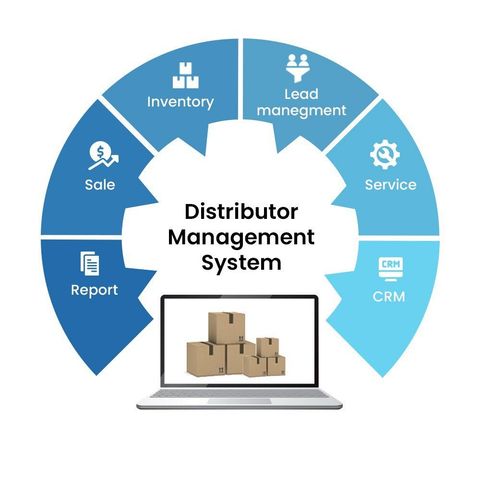
Distribution Management Software Guide: Explore Features, Inventory, Orders, Logistics & Key Insights
Updated: September 16, 2026
Read More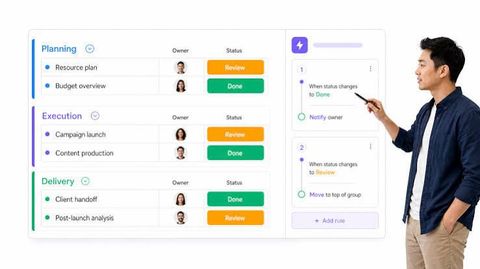
System for Managing Client Information Guide: Explore Features, Functions, CRM Tools & Data Management
Updated: September 08, 2026
Read More
Complete Manufacturing Software Guide: Explore Production Planning, Inventory, Quality & Automation
Updated: September 08, 2026
Read More