Diabetes Explained: An Educational Guide to Causes, Types, Symptoms, and Daily Management
Diabetes is a long-term health condition that affects how the body processes glucose, which is a key source of energy for cells. Under normal circumstances, the hormone insulin helps move glucose from the bloodstream into cells. When this process is disrupted—either because the body does not produce enough insulin or cannot use it effectively—blood glucose levels rise above normal ranges.
The condition exists because of a combination of biological, genetic, lifestyle, and environmental factors. Modern diets, reduced physical activity, longer life expectancy, and genetic predisposition have all contributed to a steady increase in diabetes worldwide. Education-focused health content and evidence-based medical information help people understand the condition early and reduce long-term complications through informed daily choices.
Importance
Diabetes matters today because it affects hundreds of millions of people globally and is increasing in both developed and developing countries. It impacts adults, children, and older populations, with different types presenting unique challenges.
Key reasons this topic is important include:
-
Rising prevalence linked to lifestyle and urbanization
-
Increased risk of heart disease, kidney disease, nerve damage, and vision problems
-
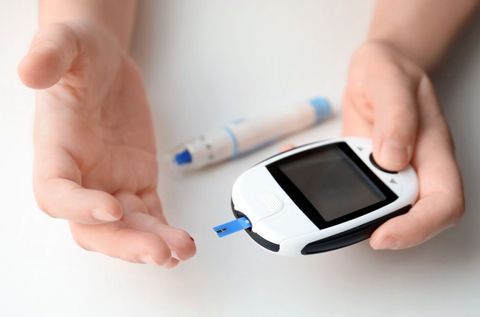
Daily self-management requirements such as glucose monitoring, nutrition planning, and physical activity
-
Long-term strain on healthcare systems and families
Understanding diabetes helps individuals recognize early symptoms, seek timely medical guidance, and adopt healthier routines. Public awareness also supports prevention strategies, early diagnosis, and reduced complication rates.
Recent Updates
Over the past year, several trends and developments have shaped diabetes education and management worldwide.
In 2024, global health organizations emphasized earlier screening for high-risk individuals, including those with obesity, family history, and sedentary lifestyles. Continuous glucose monitoring technology became more widely discussed for its role in improving daily glucose awareness, especially for people with Type 1 diabetes.
During late 2024 and early 2025, updated clinical guidance highlighted the importance of personalized nutrition planning rather than one-size-fits-all diets. Research attention also increased on the role of sleep quality, stress management, and mental health in glucose control.
Public health data released in 2025 showed a continued rise in prediabetes cases, reinforcing the importance of lifestyle-based prevention strategies and community-level education programs.
Laws or Policies
In India, diabetes management and prevention are supported through national public health initiatives. The National Programme for Prevention and Control of Cancer, Diabetes, Cardiovascular Diseases and Stroke (NPCDCS) focuses on early detection, awareness, and integrated care at primary healthcare levels.
Government policies support:
-
Screening programs at community health centers
-
Public education campaigns on nutrition and physical activity
-
Integration of non-communicable disease care into primary healthcare services
-
Training for healthcare workers on chronic disease management
Health insurance regulations and public health guidelines also influence access to diagnostic tests, medications, and long-term monitoring support, helping reduce the burden of unmanaged diabetes.
Tools and Resources
A variety of educational and digital resources support diabetes awareness and daily management.
Helpful options include:
-
Blood glucose tracking applications that record readings and patterns
-
Nutrition planning tools for balanced meal composition
-
Physical activity trackers that encourage regular movement
-
Educational websites from recognized health organizations
-
Printable logs for glucose readings, meals, and symptoms
Common Glucose Range Reference
| Measurement Time | Typical Target Range (mg/dL) |
|---|---|
| Fasting | 70–99 |
| After meals | Below 140 |
| Random check | Below 200 |
Lifestyle Factors Influencing Glucose Levels
| Factor | Effect on Blood Glucose |
|---|---|
| Balanced meals | Stabilizing |
| Physical activity | Lowering |
| Stress | Increasing |
| Poor sleep | Increasing |
These tools support informed decision-making and help individuals better understand how daily habits affect glucose levels.
FAQs
What are the main types of diabetes?
The primary types include Type 1 diabetes, where the body produces little or no insulin; Type 2 diabetes, which involves insulin resistance; and gestational diabetes, which occurs during pregnancy and usually resolves after childbirth.
What symptoms should people watch for?
Common symptoms include increased thirst, frequent urination, unexplained fatigue, blurred vision, and slow-healing wounds. Symptoms can vary by type and severity.
Can diabetes be prevented?
While Type 1 diabetes cannot currently be prevented, many cases of Type 2 diabetes can be delayed or reduced through healthy eating, regular physical activity, and weight management.
How often should blood glucose be checked?
Monitoring frequency depends on the type of diabetes and individual care plans. Some people check multiple times daily, while others follow periodic testing schedules recommended by healthcare professionals.
Does diet alone control diabetes?
Diet plays a major role, but effective management often includes physical activity, regular monitoring, stress management, and medical guidance when needed.
Conclusion
Diabetes is a complex but manageable health condition that requires ongoing awareness and informed daily habits. Understanding its causes, types, symptoms, and management strategies empowers individuals to take proactive steps toward better health outcomes.
With continued public education, supportive policies, and access to reliable tools, people living with diabetes can maintain stable routines and reduce the risk of complications. Clear, factual information remains a cornerstone of effective diabetes education and long-term well-being. Disclaimer: The information provided in this article is for informational purposes only. We do not make any claims or guarantees regarding the accuracy, reliability, or completeness of the information presented. The content is not intended as professional advice and should not be relied upon as such. Readers are encouraged to conduct their own research and consult with appropriate professionals before making any decisions based on the information provided in this article.

You may also like...
Diabetes Explained: An Educational Guide to Causes, Types, Symptoms, and Daily Management
Last Update: March 02, 2026
Read
Heart Consultation Guide: Knowledge, Tips, Resources, and Preventive Care Insights
Last Update: March 02, 2026
Read
Physiotherapy Explained: A Complete Guide to Basics, Techniques, and Recovery Principles
Last Update: March 02, 2026
Read