Digital Marketing Overview: Fundamentals, Techniques, and Growth Strategies
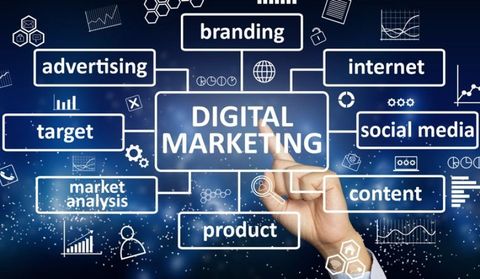
Digital marketing refers to the use of online channels, data-driven methods, and digital platforms to share information, communicate with audiences, and support organizational growth goals. It exists because everyday activities such as reading news, watching videos, searching for information, and interacting with brands increasingly happen through digital devices like smartphones and computers. Traditional communication methods alone are no longer sufficient to reach people who rely heavily on search engines, social platforms, and websites for decision-making and learning.
As internet access expanded globally in the early 2000s, organizations began shifting attention toward digital channels to improve visibility, relevance, and engagement. Over time, digital marketing evolved from basic website promotion into a structured discipline involving analytics, automation, personalization, and long-term strategy. Today, it is an essential part of modern communication ecosystems.
Importance
Digital marketing matters because it shapes how information flows between organizations and audiences in a connected world. It affects small businesses, large enterprises, educational institutions, non-profits, and even government bodies. Anyone who needs to share accurate information online relies on digital marketing principles.
Key reasons it is important today include:
-
Audience behavior changes: People research topics online before making decisions.
-
Data-driven insights: Digital platforms allow measurement of engagement, reach, and user behavior.
-
Scalability: Online campaigns can be adjusted based on performance signals.
-
Accessibility: Digital content reaches users across locations and devices.
Problems digital marketing helps address include limited visibility, unclear messaging, inefficient communication, and lack of audience insights. By using structured techniques, organizations can better understand user needs and improve the clarity and usefulness of online information.
Recent Updates
Over the past year, digital marketing has continued to change due to technology updates and regulatory shifts. Several notable developments include:
-
March 2024: Search engines placed stronger emphasis on content quality, originality, and user experience, reducing visibility for low-value or repetitive material.
-
June 2024: Increased adoption of artificial intelligence tools for content planning, keyword research, and performance analysis.
-
September 2024: Privacy-focused browser updates reduced third-party cookie tracking, encouraging first-party data strategies.
-
January 2025: Social platforms expanded transparency tools for political and informational advertising.
These updates highlight a broader trend toward ethical data use, educational content, and long-term value creation rather than short-term tactics.
Laws or Policies
Digital marketing activities are shaped by data protection laws, advertising standards, and platform-specific rules. In India and many other regions, these frameworks aim to protect users and ensure responsible communication.
Key regulatory influences include:
-
Digital Personal Data Protection Act (India, 2023): Governs how personal data is collected, processed, and stored.
-
Advertising Standards Council of India (ASCI) guidelines: Promote truthful and non-misleading digital communication.
-
Information Technology Rules: Address online content responsibility and transparency.
-
Global frameworks such as GDPR (EU) influence international campaigns involving cross-border audiences.
Compliance with these rules encourages trust, reduces misinformation, and supports sustainable digital practices.
Tools and Resources
A wide range of tools support digital marketing planning, execution, and analysis. These resources help improve accuracy, efficiency, and understanding.
Common categories include:
-
Analytics platforms for traffic and engagement insights
-
Search optimization tools for keyword research and technical audits
-
Content planning software for editorial calendars and topic mapping
-
Email platforms for structured communication workflows
-
Data visualization tools for reporting and trend analysis
Below is an example table showing how tools align with common objectives:
| Objective | Tool Type | Primary Use |
|---|---|---|
| Website analysis | Analytics platform | User behavior tracking |
| Search visibility | SEO software | Keyword and ranking insights |
| Content planning | Editorial tools | Topic organization |
| Performance review | Dashboards | Metric visualization |
These resources support informed decision-making without relying on assumptions.
Core Techniques and Strategies
Digital marketing strategies are built on several foundational techniques that work together.
Search Engine Optimization (SEO)
Focuses on improving website structure, content relevance, and technical health to increase visibility in search results.
Content Marketing
Involves creating educational articles, videos, and guides that address real user questions and needs.
Paid Advertising Channels
Use structured bidding systems to display relevant messages to targeted audiences based on intent and context.
Social Media Communication
Supports community engagement, information sharing, and feedback collection across platforms.
Conversion Rate Optimization
Analyzes user journeys to improve clarity, navigation, and completion of desired actions.
The table below shows how these techniques contribute to long-term growth:
| Technique | Primary Goal | Long-Term Impact |
|---|---|---|
| SEO | Discoverability | Sustainable traffic |
| Content marketing | Trust building | Authority |
| Social media | Engagement | Community growth |
| Optimization | Usability | Improved outcomes |
FAQs
What skills are needed to understand digital marketing?
Basic analytical thinking, communication skills, and familiarity with online platforms are helpful. Technical expertise can be developed over time.
Is digital marketing only for large organizations?
No. It is used by organizations of all sizes, including educational institutions and independent creators.
How long does it take to see results?
Results vary by channel and strategy. Some tactics show early signals, while others build impact gradually.
How is success measured?
Success is measured using metrics such as engagement rates, traffic quality, and user behavior patterns.
Does digital marketing replace traditional methods?
It complements traditional approaches by extending reach and providing measurable insights.
Conclusion
Digital marketing is a structured approach to communicating in an online-first world. It exists because audiences increasingly rely on digital channels for information, learning, and interaction. Its importance continues to grow as technology, privacy expectations, and user behavior evolve. By understanding its fundamentals, recent changes, legal context, and available tools, individuals and organizations can approach digital marketing with clarity and responsibility. When applied thoughtfully, it supports informed communication, trust, and long-term growth without relying on exaggerated claims or short-term tactics.

You may also like...
Digital Marketing Overview: Fundamentals, Techniques, and Growth Strategies
Last Update: March 02, 2026
Read
Exploring Connected TV & Streaming Advertising: Insights, Trends, and Helpful Resources
Last Update: March 02, 2026
Read
Explore B2B Marketing: A Complete Guide to Basics, Strategies, Insights, and Best Practices
Last Update: March 02, 2026
Read