Understanding CNC Milling Machines: What They Are and Why They Exist
CNC milling machines are computer-controlled tools that shape materials like metal, plastic, or wood into precise forms. “CNC” stands for Computer Numerical Control, meaning the machine follows digital instructions to perform cutting, drilling, and shaping operations. Unlike manual milling machines that rely on human movement, a CNC mill works automatically from a programmed design.
The existence of CNC milling stems from a need for higher precision, repeatability, and efficiency in manufacturing. Before CNC, machinists guided tools by hand or with simple mechanical controls. This limited accuracy and slowed production. In the mid-20th century, as computers and numerical controls developed, manufacturers began using programmed instructions to automate machining. Today, CNC mills are central to industries ranging from aerospace to consumer goods, where complex shapes and tight tolerances are routine.
Why CNC Milling Machines Matter Today
CNC milling machines are important for several reasons:
Precision and Consistency
CNC milling provides high levels of dimensional accuracy and the ability to make identical parts repeatedly. This is crucial in industries like automotive, medical devices, and electronics.
Productivity and Efficiency
Automated milling reduces manual labor and errors. Once a program is set up, a machine can run unattended for long periods, speeding up production without constant human supervision.
Complex Geometry
Shapes that would be extremely difficult or impossible to produce manually—such as intricate cavities or multi-axis contours—are manageable with modern CNC milling.
Global Manufacturing Standards
As supply chains span many countries, parts must meet consistent standards. CNC machines help manufacturers adhere to tight tolerances and quality benchmarks across batches and facilities.
Who It Affects
Professionals in design, engineering, prototyping, and manufacturing rely on CNC milling. Students and apprentices entering machine shops, mechanical workshops, and fabrication units also engage with these machines. Even hobbyists use smaller CNC mills for custom projects.
Problems It Helps Solve
-
Reduces variability in production
-
Speeds up fabrication cycles
-
Improves safety by minimizing manual tool handling
-
Supports innovation in product design
Recent Trends and Updates in CNC Milling (2024–2025)
Although not tied to a specific news headline, several trends and developments have emerged recently in the CNC machining field:
Increasing Digital Integration
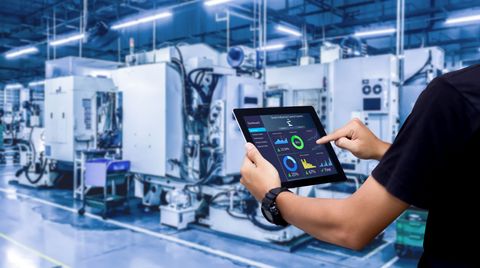
The adoption of Industry 4.0 practices—connecting CNC machines to networks for monitoring and data analytics—has grown. Manufacturers are using machine data to predict maintenance needs and optimize workflows (2024–25).
Multi-Axis Machining Growth
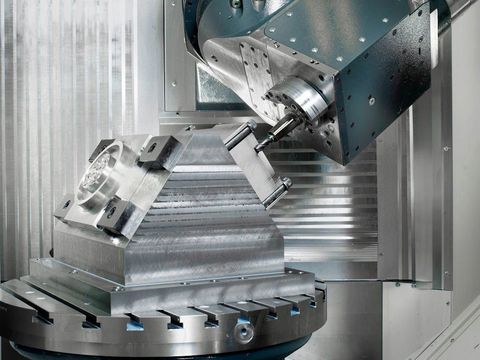
There is wider use of 5-axis CNC milling machines, which allow cutting from multiple directions without repositioning the workpiece. This improves surface finish and reduces setup time.
Simulation and AI-Assisted Programming
Software that simulates tool paths before actual machining helps prevent errors and material waste. Some platforms are beginning to include AI-assisted programming tools that suggest optimized strategies based on the part geometry.
Focus on Sustainability
Manufacturers are paying attention to energy use and material efficiency. CNC technologies that reduce waste and improve tool life are gaining traction.
Safety and Skill Training
Workshops and technical institutes are integrating CNC safety and operation modules in vocational training. This responds to industry demand for skilled operators.
Rules, Standards, and Policies Affecting CNC Milling
CNC milling doesn’t exist in a regulatory vacuum. Several rules, standards, and government programs influence how these machines are used, especially in regulated manufacturing environments.
International Standards
Standards such as ISO 9001 for quality management and ISO 1318 and ISO 10791 series on CNC milling machine testing provide frameworks for quality assurance and performance evaluation.
Safety Regulations
Workplaces with CNC machines must comply with occupational safety standards. In many countries, OSHA-like regulations require guards, emergency stops, and proper training for operators. In India, the Factories Act, 1948 and related safety codes govern machine operation and worker protection.
Government Programs (India Context)
Initiatives like Make in India and Skill India encourage adoption of advanced manufacturing technologies and workforce training. Programs under the Ministry of Skill Development and Entrepreneurship (MSDE) include CNC machine operation in their curriculum, promoting certified skills and standardized training.
Environmental and Waste Regulations
Machining operations generate chips and cutting fluids. Environmental laws may regulate disposal and recycling of coolant oils and metal waste. Compliance helps reduce pollution and ensures responsible manufacturing.
Useful Tools and Resources for CNC Milling
Learning and working with CNC milling becomes easier when you have the right resources. The tools below support design, programming, simulation, and learning:
Design and CAD Software
-
Fusion 360 – Integrated CAD/CAM tool for 3D design and toolpath generation
-
SolidWorks – Widely used for mechanical design with CNC compatibility
-
FreeCAD – Open-source alternative for basic 3D modeling
CAM (Computer-Aided Manufacturing) Tools
-
Mastercam – Advanced CAM software for CNC programming
-
GibbsCAM – Toolpath generation and optimization
-
NX CAM – High-end solution for complex machining
Simulation and Verification
-
NC Viewer – Online G-code visualization
-
Vericut – Professional CNC simulation software
Control Interfaces
-
LinuxCNC – Open-source control for custom CNC builds
-
Mach4 – A popular CNC control platform
Educational Resources
-
YouTube channels focused on machining fundamentals
-
Technical books like CNC Programming Handbook
-
Community forums for machinists such as Practical Machinist
Reference Tables for Quick Comparison
Types of CNC Milling Machines
| Machine Type | Axes | Typical Use | Complexity |
|---|---|---|---|
| 3-Axis CNC | X, Y, Z | Standard milling & drilling | Basic |
| 4-Axis CNC | + Rotary A | Adds rotational capability | Intermediate |
| 5-Axis CNC | + Rotary A, B | Complex surfaces in one setup | Advanced |
Common CNC Milling Materials
| Material | Characteristics | Typical Applications |
|---|---|---|
| Aluminum | Lightweight, machinable | Automotive, aerospace |
| Steel | Strong, versatile | Structural parts |
| Brass | Corrosion-resistant | Fittings, instruments |
| Plastics (e.g., Delrin) | Easy to machine | Prototypes, jigs |
Practical Apps & Online Tools
-
G-code viewers for checking programmed paths
-
Feed & speed calculators based on tool and material
-
Spindle speed and chip load calculators to optimize cutting
Glossaries and Cheat Sheets
-
Terminology lists (e.g., “feed rate,” “spindle speed”)
-
Quick-reference guides for G-code commands
Answers to Common Questions About CNC Milling
What is the difference between CNC milling and CNC turning?
CNC milling removes material using rotating cutters and can work on multiple faces of a part. CNC turning rotates the workpiece against a cutting tool, typically producing cylindrical shapes.
Do CNC milling machines need special training?
Yes. Basic understanding of machining principles, safety protocols, and control software is essential. Many technical institutes and online platforms offer structured training.
Can beginners learn CNC programming without prior experience?
Yes. Beginners can start with basic CAD/CAM software and simple G-code programming lessons. Simulation tools allow safe practice before using real machines.
What materials can CNC mills work with?
CNC milling can handle metals (like aluminum, steel, titanium), plastics, composites, and even wood or foam, depending on tooling and machine capability.
How precise are CNC milling machines?
Precision varies by machine quality and setup but is typically within thousandths of an inch (0.001 in) or microns for high-end machines. Calibration and tool condition directly affect accuracy.
Key Tips for Beginners Working with CNC Mills
Start with Safety
-
Wear eye protection and appropriate attire
-
Understand emergency stops and machine guards
-
Keep work area clean
Learn the Fundamentals
-
Study basic machining terms
-
Practice with simple parts before complex projects
Use Simulation Tools
-
Always verify tool paths in software before actual machining
-
Simulators reduce mistakes and material waste
Understand Tooling
-
Choose cutters appropriate for material
-
Monitor tool wear and replace when needed
Document Setup Parameters
-
Keep notes of feed rates, spindle speeds, and fixtures
-
A reference log helps with repeatability in future jobs
Concluding Thoughts
CNC milling machines have transformed manufacturing by combining computer control with mechanical precision. For beginners, understanding what these machines do, how they work, and how they fit into modern production is a solid foundation for further learning. Trends such as increased automation, advanced software, and digital connectivity continue shaping the field. With strong safety practices, structured learning, and the right tools, anyone entering this space can build confidence and skill. CNC milling remains a key technology for creating accurate, complex components that power industries around the world.
If you’d like, I can tailor this article further for a specific industry (like aerospace or education) or include diagrams to illustrate key concepts.

You may also like...
Complete Guide to Electro-Hydraulic Systems: Learn Core Concepts, Technical Details, Insights, and Expert Tips
Last Update: March 03, 2026
Read
Software Design Overview: Learn Core Concepts, Architecture, Models, and Practical Insights
Last Update: March 02, 2026
Read
Cloud Business Software Systems: Overview, Key Features, and Practical Tips
Last Update: March 10, 2026
Read