Cloud Providers for SaaS Guide: Explore Platforms, Infrastructure, Security & Scalability
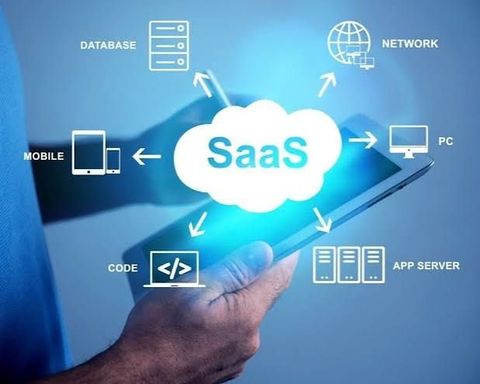
Software as a Service (SaaS) applications depend heavily on cloud infrastructure for computing, storage, databases, networking, security, monitoring and application deployment. Instead of maintaining all infrastructure within physical data centers, SaaS companies can use cloud platforms to build, deploy and operate applications through internet-based infrastructure.
Cloud providers offer different combinations of infrastructure, managed services, developer tools and security capabilities. Choosing an appropriate platform depends on application architecture, expected traffic, data requirements, geographic availability, compliance needs and scalability objectives.
This guide explores the role of cloud providers in SaaS development, major platform categories, infrastructure components, security capabilities, scalability approaches and important considerations.
What Are Cloud Providers for SaaS?
Cloud providers are companies that offer computing infrastructure and managed technology resources through cloud environments. SaaS developers can use these resources to host application components without building every underlying infrastructure layer themselves.
A typical SaaS application may use cloud resources for:
- Application servers
- Virtual machines
- Containers
- Databases
- Object storage
- Content delivery networks
- Networking
- Identity and access management
- Monitoring and logging
- Backup and disaster recovery
- Application programming interfaces (APIs)
- Data processing
- Security controls
The cloud provider generally manages the underlying physical infrastructure, while the SaaS organization manages its applications, configurations, data and access policies according to the selected cloud model.
Major Cloud Providers
Several large cloud platforms provide infrastructure and managed services suitable for SaaS applications.
| Cloud Provider | Common Platform | Important Capabilities |
|---|---|---|
| Amazon Web Services | AWS | Compute, storage, databases, networking, containers, serverless |
| Microsoft | Azure | Compute, databases, identity, AI, enterprise integration |
| Google Cloud | Compute, Kubernetes, databases, analytics and AI | |
| Oracle | Oracle Cloud Infrastructure | Compute, databases, networking and enterprise workloads |
| IBM | IBM Cloud | Enterprise infrastructure, hybrid cloud and AI capabilities |
The specific services and features available within each platform vary and are updated regularly.
Cloud Infrastructure for SaaS
Cloud infrastructure forms the technical foundation of a SaaS application. It normally includes several interconnected layers.
Compute
Compute resources run application code and backend processes.
Common options include:
- Virtual machines
- Containers
- Kubernetes clusters
- Serverless functions
- Managed application platforms
The appropriate option depends on application architecture, workload characteristics and operational requirements.
Storage
Cloud storage is used for application files, documents, images, backups and other digital information.
Common storage models include:
- Object storage
- Block storage
- File storage
- Database storage
Object storage is commonly used for large collections of files and media, while block and file storage can support application infrastructure and specialized workloads.
Databases
SaaS applications typically require databases for storing accounts, application data, transactions, configurations and other information.
Cloud platforms commonly provide:
- Relational databases
- NoSQL databases
- In-memory databases
- Data warehouses
- Managed database services
Managed databases can reduce the amount of infrastructure administration required by development teams.
Cloud Platforms and SaaS Architecture
A SaaS application can use several architectural approaches depending on its requirements.
Monolithic Architecture
A monolithic application keeps major application functions within a single deployable application.
This approach can be relatively straightforward for smaller applications but may become more difficult to scale independently as application complexity increases.
Microservices Architecture
Microservices divide an application into smaller components that communicate through APIs or messaging systems.
For example, a SaaS application could have separate components for:
- User management
- Authentication
- Billing
- Notifications
- Reporting
- Search
- File processing
Individual components can then be developed and scaled independently.
Serverless Architecture
Serverless computing allows developers to execute application functions without directly managing traditional servers.
It can be useful for event-driven workloads, APIs, scheduled processes and other applications where infrastructure requirements vary over time.
Security in Cloud-Based SaaS
Security is an important consideration when hosting SaaS applications in cloud environments.
Cloud platforms generally provide security capabilities that can be combined with application-level controls.
Identity and Access Management
Identity and access management (IAM) controls who can access cloud resources and what actions they can perform.
Important concepts include:
- User authentication
- Role-based access control
- Least-privilege permissions
- Multi-factor authentication
- Service identities
- Access policies
Data Protection
SaaS applications often handle sensitive business information, making data protection important.
Common measures include:
- Encryption in transit
- Encryption at rest
- Secure key management
- Database access controls
- Backup protection
- Data isolation
Network Security
Cloud networking can include virtual private networks, firewalls, security groups, private endpoints and traffic-control policies.
A properly designed network can reduce unnecessary exposure of application and database resources.
Scalability for SaaS Applications
Scalability is one of the major reasons SaaS applications use cloud infrastructure.
Vertical Scaling
Vertical scaling increases the resources available to an individual server or computing instance.
For example, a workload may receive additional CPU or memory.
Horizontal Scaling
Horizontal scaling adds additional application instances.
A load balancer can distribute incoming requests among multiple instances, allowing the application to handle increased traffic.
Auto Scaling
Auto scaling automatically adjusts computing resources based on predefined conditions such as:
- CPU utilization
- Request volume
- Application metrics
- Queue length
- Scheduled requirements
This can help applications respond to changing workloads without maintaining the same infrastructure capacity at all times.
Cloud Databases and SaaS Data Management
Database architecture becomes particularly important as SaaS applications grow.
A SaaS platform may use:
- A shared database with tenant identification
- Separate schemas for different tenants
- Dedicated databases for selected tenants
- Distributed database architectures
The appropriate model depends on application requirements, isolation expectations, performance considerations and operational complexity.
Caching can also reduce repeated database queries and improve application responsiveness.
Containers and Kubernetes
Containers package application code and its dependencies into standardized units that can run across compatible environments.
Kubernetes can be used to orchestrate containers by helping manage:
- Deployment
- Scaling
- Service discovery
- Load distribution
- Application availability
- Rolling updates
For larger SaaS applications, container orchestration can provide greater control over distributed workloads.
Content Delivery Networks
A Content Delivery Network (CDN) distributes static and sometimes dynamic content through geographically distributed locations.
CDNs can help deliver:
- Images
- JavaScript files
- CSS
- Videos
- Downloads
- Cached web content
By serving content from locations closer to users, a CDN can reduce network latency for supported workloads.
Monitoring and Observability
Cloud-based SaaS applications require continuous monitoring to identify infrastructure and application issues.
Observability generally involves:
Metrics
Metrics can track CPU utilization, memory consumption, request rates, latency and other numerical measurements.
Logs
Logs provide records of application and infrastructure events.
Traces
Distributed tracing can help identify how an individual request moves through multiple services.
Together, these capabilities help development and operations teams understand application behavior.
Backup and Disaster Recovery
Cloud infrastructure can support backup and disaster-recovery strategies.
Important concepts include:
- Regular backups
- Database replication
- Geographic redundancy
- Recovery Point Objective (RPO)
- Recovery Time Objective (RTO)
- Failover procedures
- Disaster-recovery testing
A backup strategy should consider both infrastructure failure and application-level problems such as accidental deletion or configuration errors.
DevOps and Cloud Deployment
SaaS development commonly uses DevOps practices to automate software delivery and infrastructure management.
Cloud-based development environments can integrate with:
- Version control
- Continuous Integration and Continuous Deployment (CI/CD)
- Infrastructure as Code
- Automated testing
- Container registries
- Monitoring platforms
- Security scanning
Infrastructure as Code allows infrastructure configurations to be represented through reusable configuration files, making environments easier to reproduce and manage.
Key Benefits of Cloud Providers for SaaS
Cloud platforms can provide several important advantages for SaaS development:
- Flexible computing resources
- Managed databases
- Scalable storage
- Global infrastructure options
- Networking capabilities
- Security tools
- Monitoring services
- Automation capabilities
- Container and Kubernetes support
- Serverless computing
- Backup and disaster-recovery options
However, the actual benefits depend on application architecture, configuration and operational practices.
Important Considerations When Choosing a Cloud Provider
There is no single cloud configuration that fits every SaaS application. Organizations commonly evaluate:
Application Requirements
Consider computing requirements, database architecture, storage needs, APIs and expected traffic.
Scalability
Evaluate whether the platform can support both current workloads and future growth.
Security
Review IAM, encryption, network controls, monitoring and security-management capabilities.
Geographic Availability
Consider where application users and data are located and which cloud regions are available.
Compliance
Organizations operating in regulated environments should evaluate relevant data-protection and compliance requirements.
Integration
Compatibility with existing development tools, databases, APIs and enterprise systems can influence platform selection.
Operational Complexity
A platform with many services can provide flexibility but may also increase configuration and management complexity.
Cost Management
Cloud consumption can vary according to computing, storage, networking, database usage and other resources. Monitoring resource utilization and establishing appropriate controls can help manage cloud expenditure.
Cloud Provider Trends for SaaS
Several technology trends continue to influence SaaS infrastructure:
- Greater adoption of managed cloud services
- Serverless application development
- Containerized workloads
- Kubernetes-based infrastructure
- Artificial intelligence and machine-learning workloads
- Cloud-native databases
- Infrastructure automation
- Zero-trust security approaches
- Multi-cloud and hybrid-cloud architectures
- Edge computing
- Increased observability and automated operations
These technologies are changing how SaaS applications are developed, deployed and operated.
Frequently Asked Questions
What is a cloud provider in SaaS?
A cloud provider supplies infrastructure and managed technology resources that can be used to build, host, deploy and operate SaaS applications.
Which cloud resources are commonly used by SaaS applications?
Common resources include computing, databases, storage, networking, identity management, monitoring, containers, content delivery and backup services.
Can a SaaS application use multiple cloud providers?
Yes. A SaaS organization can use a multi-cloud architecture, although managing multiple platforms can increase architectural and operational complexity.
Is Kubernetes required for SaaS?
No. SaaS applications can run using virtual machines, managed application platforms, serverless services, containers or other architectures. Kubernetes is one option for container orchestration.
Why is scalability important for SaaS?
SaaS applications may experience changes in traffic and workload. Scalable cloud infrastructure allows computing and other resources to be adjusted as application requirements change.
Conclusion
Cloud providers form an important infrastructure layer for modern SaaS applications. Platforms such as AWS, Azure, Google Cloud and other cloud environments provide computing, storage, databases, networking, security and managed services that can support applications at different stages of development.
A well-designed SaaS cloud architecture combines appropriate infrastructure with secure application design, scalable databases, monitoring, automation and reliable backup strategies. Rather than focusing only on the number of available cloud services, organizations should consider application requirements, security, scalability, operational complexity, geographic needs and long-term infrastructure management.
Disclaimer: This article is provided for general informational and educational purposes only. Cloud platforms, features, pricing structures, security capabilities and technical specifications can change over time. Readers should review the latest documentation and policies published by the relevant cloud provider before making technical or business decisions. This article does not constitute professional, legal, financial or technical advice and does not promote any particular cloud provider.

Related Post...

Complete Pulse Cleaning System Guide: Explore Dust Collector Filters, Performance & Maintenance Concept
Updated: September 17, 2026
Read More