Drilling Machines Guide: Learn the Basics, Types, and How They Work
Drilling machines are mechanical tools designed to create round holes in materials such as metal, wood, plastic, and concrete. They are used in homes, workshops, factories, and large manufacturing plants. The main purpose of a drilling machine is to rotate a cutting tool, called a drill bit, and push it into a surface to remove material and form a hole.
Before modern machines existed, holes were made using hand tools such as bow drills and hand augers. These methods were slow, tiring, and not very precise. As construction, engineering, and manufacturing expanded, there was a need for faster, more accurate, and repeatable ways to make holes. This led to the development of mechanical and later electric drilling machines.
Today, drilling machines range from simple handheld tools to advanced CNC drilling systems used in aerospace, automotive, and heavy engineering industries. They are a basic part of machine tools and play a key role in shaping parts that fit together with bolts, screws, and rivets.
Why Drilling Machines Matter Today
Drilling machines are important because almost every engineered product needs holes. From furniture and buildings to vehicles and electronics, drilled holes allow parts to be joined, aligned, or assembled.
They affect many groups of people and industries, including:
-
Construction workers who drill into concrete, brick, and wood
-
Manufacturers who create metal and plastic parts
-
Furniture makers and carpenters
-
Students learning mechanical and industrial skills
-
Engineers designing machines and structures
These machines help solve several practical problems:
-
Making accurate holes in hard materials
-
Saving time compared to manual methods
-
Improving consistency in mass production
-
Reducing physical strain on workers
Without drilling machines, modern manufacturing and construction would be slower, less precise, and more expensive in terms of effort and time. They support large-scale production where thousands of identical parts must match exactly.
Types of Drilling Machines and How They Work
Drilling machines are grouped by size, power, and purpose. Each type is built for a specific level of work.
Common Types of Drilling Machines
-
Hand Drill
A small, portable tool powered by electricity or battery. Used for light household and workshop tasks. -
Bench Drill
Mounted on a workbench. Provides better accuracy than hand drills for small metal or wood parts. -
Pillar Drill
A floor-mounted version with more power and height, suitable for larger workpieces. -
Radial Drill
Has a movable arm that allows drilling at different positions without moving heavy materials. -
CNC Drilling Machine
Controlled by computer programs for high precision and repeatable drilling in factories. -
Multi-Spindle Drill
Drills many holes at the same time, used in mass production.
Basic Working Principle
All drilling machines follow the same basic process:
-
The drill bit rotates at a set speed
-
Downward force pushes the bit into the material
-
The cutting edges remove material
-
Chips come out through spiral grooves
-
A hole is formed
Speed, pressure, and drill bit type depend on the material being drilled.
Key Parts of a Drilling Machine
Main components usually include:
-
Base: Supports the whole machine
-
Column: Vertical support structure
-
Table: Holds the workpiece
-
Spindle: Rotates the drill bit
-
Chuck: Holds the drill bit
-
Motor: Powers the rotation
-
Feed Handle: Controls downward movement
Why This Topic Is Important in Modern Life
Drilling machines support industries that shape everyday life. They help build houses, bridges, vehicles, machines, and tools. Even simple items like shelves, chairs, and doors need drilled holes.
They also play a role in:
-
Education in technical schools
-
Research and product development
-
Repair and maintenance work
-
Infrastructure projects
As technology advances, drilling machines are becoming more automated and precise, which improves safety and reduces material waste.
Recent Developments and Trends
In the past year, several trends have shaped the drilling machine field:
-
Early 2024: Increased use of CNC drilling systems in medium-sized factories, especially in automotive and electronics manufacturing.
-
Mid 2024: More machines designed with energy-efficient motors to reduce power use.
-
Late 2024: Growing focus on smart sensors that monitor vibration, temperature, and tool wear.
-
Early 2025: Wider use of software integration, allowing drilling machines to connect with factory management systems.
Other noticeable changes include:
-
Lighter but stronger machine frames using new alloys
-
Improved safety shields and automatic shut-off systems
-
Better dust and chip removal systems
These changes aim to make drilling safer, more accurate, and more environmentally responsible.
Rules, Standards, and Public Policies
Drilling machines are affected by safety and manufacturing regulations in many countries. These rules protect workers and ensure machines are safe to use.
Common areas covered by regulations include:
-
Electrical safety
-
Moving parts protection
-
Emergency stop systems
-
Noise and vibration limits
-
Training and operation guidelines
In many regions:
-
Factories must follow workplace safety laws for machine tools
-
Machines must meet national or international safety standards
-
Regular inspections are required
-
Operators must follow approved procedures
Some governments also support skill development programs that teach safe machine operation in technical institutes and training centers.
Useful Tools and Learning Resources
People who want to understand or use drilling machines better can rely on many tools and resources.
Digital Tools and Software
-
CNC simulation software
-
Drilling speed and feed calculators
-
Material selection guides
-
Tool wear monitoring apps
Educational Resources
-
Engineering textbooks
-
Online learning platforms
-
Technical training videos
-
Industrial standards documents
Reference Websites
-
Machine tool manufacturer guides
-
Engineering knowledge portals
-
Technical university resources
Example Table: Drilling Speed by Material
| Material | Typical Speed (RPM) | Drill Bit Type |
|---|---|---|
| Soft Wood | 2000–3000 | High-Speed Steel |
| Hard Wood | 1500–2500 | High-Speed Steel |
| Mild Steel | 800–1200 | Cobalt or HSS |
| Aluminum | 1500–2500 | HSS or Carbide |
| Plastic | 1000–2000 | Standard Twist Bit |
Example Table: Comparison of Drilling Machine Types
| Type | Size | Precision Level | Common Use Area |
|---|---|---|---|
| Hand Drill | Small | Low–Medium | Home, light work |
| Bench Drill | Medium | Medium | Workshops |
| Pillar Drill | Large | High | Factories |
| Radial Drill | Very Large | High | Heavy engineering |
| CNC Drill | Varies | Very High | Automated factories |
Safety and Good Practice
Safe operation is very important. Basic safety rules include:
-
Wearing eye protection
-
Tying back loose clothing and hair
-
Using correct drill bits
-
Securing the workpiece
-
Keeping hands away from rotating parts
-
Switching off before changing tools
Frequently Asked Questions
What materials can drilling machines work on?
Drilling machines can work on wood, metal, plastic, concrete, and composite materials. The drill bit and speed must match the material.
What is the difference between a drill and a drilling machine?
A drill usually refers to a small handheld tool. A drilling machine is a broader term that includes large stationary and automated systems.
Why do drill bits break?
Drill bits may break due to too much pressure, wrong speed, poor material quality, or overheating.
What is CNC drilling?
CNC drilling uses computer control to move and operate the machine automatically, ensuring high accuracy and repeatable results.
How is drilling different from boring?
Drilling creates a new hole, while boring enlarges or improves an existing hole.
Visual Data: Drilling Process Flow
| Step | Action |
|---|---|
| 1 | Secure the workpiece |
| 2 | Select correct drill bit |
| 3 | Set speed and feed |
| 4 | Start rotation |
| 5 | Apply steady downward force |
| 6 | Remove chips |
| 7 | Finish and inspect hole |
Conclusion
Drilling machines are one of the most important machine tools in human history. They allow people to shape materials accurately and efficiently. From simple hand drills to advanced CNC drilling systems, these machines support construction, manufacturing, education, and daily life.
They exist because humans needed faster and more precise ways to make holes. They matter because nearly every product or structure depends on drilled parts. Over the past year, drilling machines have become smarter, safer, and more energy efficient. Laws and standards help ensure they are used responsibly.
With the right knowledge, tools, and safety practices, drilling machines continue to support progress in engineering and industry. They remain a foundation of modern manufacturing and practical work across the world.

You may also like...
Trusted Plumbing Services: Basics, Explanation, and Key Details You Should Know
Last Update: March 02, 2026
Read
Electric Vehicles Explained: An Informative Guide to Basics, Technology, and Everyday Use
Last Update: March 02, 2026
Read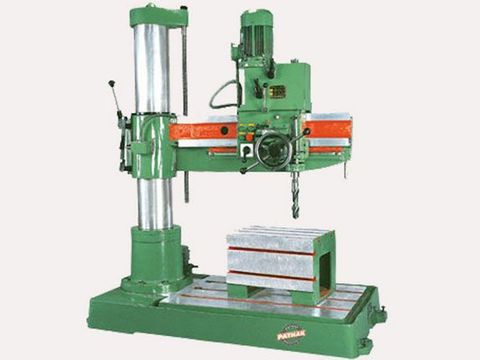
Drilling Machines Guide: Learn the Basics, Types, and How They Work
Last Update: March 02, 2026
Read