Industrial Cooling Towers: An Explore Guide with Basics, Facts, and Explanation
Industrial cooling towers are part of many factories, power plants, refineries, and large buildings. They remove excess heat from water used in machines and processes. Without cooling towers, many systems would overheat, lose efficiency, or stop working.
Cooling towers work on a simple idea: warm water releases heat when it meets air. As some of the water evaporates, the remaining water becomes cooler. This cooled water then returns to machines, chillers, or heat exchangers.
This guide explains what industrial cooling towers are, why they exist, how they matter today, recent trends, rules that affect them, useful tools, and common questions.
What Industrial Cooling Towers Are and Why They Exist
Industrial cooling towers are large structures that cool warm water by using air and evaporation. They are used in:
-
Power generation
-
Chemical and petrochemical plants
-
Steel and cement plants
-
Food and beverage factories
-
Large HVAC cooling towers for commercial buildings
Early factories used rivers or lakes for cooling. Over time, water scarcity and environmental concerns made direct discharge risky. Cooling towers were developed to reuse water by cooling it and cycling it again.
Cooling tower design focuses on:
-
Maximizing heat removal
-
Reducing water loss
-
Controlling drift (tiny water droplets leaving the tower)
-
Preventing corrosion and scaling
Main parts of a typical cooling tower include:
-
Hot water inlet
-
Fill media (increases water-air contact)
-
Air intake or fans
-
Drift eliminators
-
Cold water basin
Cooling towers exist to make industrial processes stable, safe, and energy-efficient.
Why Industrial Cooling Towers Matter Today
Industrial cooling towers affect many people and sectors, even if they are not always visible.
They matter because they:
-
Keep machines from overheating
-
Support continuous production
-
Protect equipment life
-
Help manage energy use
-
Reduce direct discharge of hot water into rivers
Who is affected:
-
Factory operators and engineers
-
Building managers using HVAC cooling towers
-
Communities near industrial zones
-
Environmental agencies monitoring water and air quality
Problems they help solve:
-
Excess heat in industrial processes
-
High energy use from inefficient cooling
-
Thermal pollution in natural water bodies
-
Equipment damage due to high temperatures
Cooling tower efficiency is now closely linked with:
-
Energy efficiency goals
-
Water conservation
-
Environmental safety
Industries with poor cooling systems often face:
-
Higher downtime
-
More repairs
-
Increased water and energy use
Recent Changes, Trends, and Updates (Past Year)
Over the past year, several trends have shaped industrial cooling towers.
Water Efficiency Focus (2025)
Due to growing water stress in many regions, industries in 2024–2025 increased attention to:
-
Higher cycles of concentration
-
Better blowdown control
-
Use of treated wastewater in cooling systems
Smart Monitoring Systems (2024–2025)
More plants now use:
-
Sensors for temperature, flow, and water quality
-
Digital dashboards
-
Alerts for scaling, corrosion, and biological growth
This helps improve cooling tower maintenance planning and system reliability.
Drift Reduction Improvements
Recent cooling tower drift eliminators are designed to reduce water loss to very low levels. New designs introduced during 2024 showed better performance with:
-
Lower drift rates
-
Improved air flow patterns
Material Upgrades
Modern cooling tower design now uses:
-
FRP (fiber-reinforced plastic)
-
Advanced PVC fills
-
Corrosion-resistant coatings
These changes aim to increase lifespan and reduce structural damage.
Rules, Regulations, and Government Policies (India)
In India, industrial cooling towers are affected by environmental and safety rules.
Water Use and Discharge
Cooling towers fall under water management rules from:
-
Central Pollution Control Board (CPCB)
-
State Pollution Control Boards
Industries must:
-
Limit water withdrawal
-
Control blowdown discharge
-
Meet quality standards for discharged water
Air and Drift Control
Cooling tower drift must be controlled because it can carry chemicals and microbes. Rules focus on:
-
Use of drift eliminators
-
Safe placement of towers
-
Control of chemical carryover
Health and Safety
Guidelines include:
-
Prevention of Legionella bacteria
-
Regular cleaning and inspection
-
Safe chemical handling for water treatment for cooling towers
Energy and Sustainability
Policies promoting energy efficiency indirectly affect cooling towers by encouraging:
-
Efficient motors and fans
-
Reduced energy use per unit of production
These rules aim to balance industrial growth with environmental protection.
Useful Tools and Resources for Cooling Towers
Several tools help understand and manage cooling tower systems.
Digital Calculators
-
Cooling tower efficiency calculators
-
Heat load estimation tools
-
Evaporation loss estimators
Monitoring Tools
-
Online dashboards for temperature and flow
-
Water quality monitoring software
-
Corrosion and scaling index tools
Guides and References
-
ASHRAE technical guides
-
CPCB and SPCB guideline documents
-
Engineering handbooks on evaporative cooling systems
Templates and Checklists
-
Inspection checklist templates
-
Water treatment log sheets
-
Maintenance planning sheets
These resources help improve cooling tower design, operation, and safety.
Understanding Cooling Tower Types
Industrial cooling towers are grouped by how air and water move.
Main cooling tower types:
-
Natural draft cooling towers
-
Mechanical draft cooling towers
-
Induced draft cooling towers
-
Forced draft cooling towers
-
Crossflow cooling towers
-
Counterflow cooling towers
Each type suits different heat loads, space limits, and climate conditions.
Cooling Tower Design Basics
Cooling tower design depends on:
-
Heat load
-
Wet bulb temperature
-
Water flow rate
-
Space availability
-
Noise and environmental limits
Design goals include:
-
High cooling tower efficiency
-
Low drift and water loss
-
Easy inspection and cleaning
Table: Common Cooling Tower Types and Features
| Cooling Tower Type | Air Movement | Typical Use Area | Key Feature |
|---|---|---|---|
| Natural Draft | Natural air flow | Power plants | Very tall structure |
| Induced Draft | Fan at top | Most industries | High efficiency |
| Forced Draft | Fan at air inlet | Small to medium plants | Compact design |
| Crossflow | Air across water | HVAC cooling towers | Easy access to fill |
| Counterflow | Air opposite water | Process industries | Better heat transfer |
Water Treatment for Cooling Towers
Water treatment is important to control:
-
Scaling
-
Corrosion
-
Biological growth
Common methods:
-
Chemical dosing
-
Filtration
-
Blowdown control
-
Monitoring of pH, TDS, and hardness
Good water treatment improves:
-
Cooling tower efficiency
-
Equipment life
-
System safety
Simple Graph: Where Cooling Towers Are Used
This shows that power plants and chemical plants are among the largest users of industrial cooling towers.
Frequently Asked Questions
What is the main purpose of an industrial cooling tower?
The main purpose is to remove heat from warm water so it can be reused in machines or processes. It protects equipment from overheating and supports stable operation.
How does evaporation cool water in a cooling tower?
When warm water meets moving air, a small part of it evaporates. Evaporation needs heat, so it takes heat from the remaining water, making it cooler.
What is cooling tower efficiency?
Cooling tower efficiency shows how close the cooled water temperature gets to the local wet bulb temperature. Higher efficiency means better heat removal.
Why is drift control important?
Drift is tiny water droplets that leave the tower with air. These droplets may carry chemicals or microbes. Drift eliminators reduce this loss and protect the environment.
What problems occur without proper maintenance?
Without regular inspection and cleaning, cooling towers may face scaling, corrosion, algae growth, reduced efficiency, and health risks.
Conclusion
Industrial cooling towers play a key role in modern industry. They allow machines, buildings, and power systems to release unwanted heat and keep working safely. From early water-cpray systems to advanced evaporative cooling systems, their design has steadily improved.
Today, cooling tower design focuses on efficiency, water conservation, and environmental safety. Recent trends show greater use of smart monitoring, better materials, and improved drift control. Rules and policies guide how cooling towers manage water, air, and health risks.
With proper planning, monitoring, and water treatment for cooling towers, these systems continue to support industry while reducing harm to nature. Understanding how industrial cooling towers work helps people see how hidden systems quietly support daily life, from electricity and factories to large buildings and public spaces.

You may also like...
Industrial Sealing Rings Guide: Overview, Details, and Key Information
Last Update: March 02, 2026
Read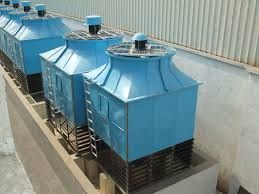
Industrial Cooling Towers: An Explore Guide with Basics, Facts, and Explanation
Last Update: March 02, 2026
Read
Electric Vehicles Explained: An Informative Guide to Basics, Technology, and Everyday Use
Last Update: March 02, 2026
Read