Explore Home Automation: A Complete Guide to Basics, Tips, and Smart Living
Home automation means using smart home technology to control household features like lighting, climate, security, and entertainment through connected devices. These devices talk to each other using the internet, sensors, and automation rules.
This idea exists to make daily life easier, safer, and more efficient. Instead of manually switching everything on or off, people can set automatic actions or control things using a phone, voice assistant, or central system.
Home automation systems usually include:
-
Smart lights and switches
-
Smart thermostats and climate tools
-
Home security systems
-
Smart locks and cameras
-
Smart speakers and displays
-
Energy management devices
The main goal is simple: reduce effort, improve comfort, and help people manage their homes in a smarter way.
Why Home Automation Matters Today
Modern life is busy, and many people want simpler ways to manage daily routines. Smart home technology helps with that.
Home automation matters because it:
-
Saves time by automating routine tasks
-
Improves safety through smart cameras and alerts
-
Helps manage energy use more carefully
-
Supports elderly and disabled people with easier controls
-
Makes homes more comfortable and organized
Who it affects:
-
Families managing busy schedules
-
Older adults needing simple controls
-
Remote workers spending more time at home
-
People interested in energy efficiency
-
Tech learners and students
Problems it helps solve:
-
Forgetting to turn off lights or appliances
-
Poor home security monitoring
-
Wasted electricity or water
-
Difficulty controlling many devices
-
Lack of real-time home information
Example of daily automation:
-
Lights turn on at sunset
-
Doors lock automatically at night
-
Thermostat adjusts based on room use
-
Motion sensors trigger alerts
-
Curtains open in the morning
Recent Trends and Updates in Smart Home Technology
In the past year, home automation has become more standardized and easier to set up.
Key trends seen during 2024:
-
More devices supporting the Matter standard, making different brands work together
-
Better voice control accuracy
-
More focus on data privacy and user control
-
Growth in smart energy tracking tools
-
Wider use of AI in smart home systems
Timeline highlights:
| Date | Update or Trend |
|---|---|
| Early 2024 | More Matter-compatible devices launched |
| Mid 2024 | AI-based automation routines improved |
| Late 2024 | Energy tracking tools became more common |
Simple view of smart home growth:
Smart Home Adoption
2020: ████
2021: ██████
2022: ████████
2023: ██████████
2024: ████████████
Another big change is easier setup. Many systems now guide users step by step using mobile apps. Devices also update themselves automatically, reducing technical effort.
Security updates also improved, with stronger encryption and clearer privacy settings.
Rules, Policies, and Government Influence
Home automation is affected by technology rules, safety laws, and data protection policies.
In many countries, including India, smart home devices must follow:
-
Electrical safety standards
-
Wireless communication rules
-
Consumer data protection laws
Important policy areas:
Data Protection
Many governments require smart devices to:
-
Collect only necessary data
-
Protect user information
-
Allow users to control data access
Wireless and Network Rules
Devices must follow rules for:
-
Wi-Fi and Bluetooth usage
-
Radio frequency limits
-
Device certification
Energy and Environment
Some programs promote:
-
Energy-efficient appliances
-
Smart meters and monitoring
-
Reduced electricity waste
In India, digital and smart device rules are influenced by:
-
Consumer protection laws
-
Information technology rules
-
Data privacy frameworks
-
Energy efficiency programs
These policies aim to keep users safe, protect personal data, and support responsible technology growth.
Useful Tools and Learning Resources
Many tools help people understand and manage home automation systems.
Popular smart home platforms:
-
Google Home
-
Apple Home
-
Amazon Alexa
-
Samsung SmartThings
Helpful mobile apps:
-
Device control apps from each brand
-
Energy tracking apps
-
Automation rule builders
Learning resources:
-
Official smart home blogs
-
Technology education websites
-
Online learning platforms
-
Community forums
Common device categories and examples:
| Category | Examples of Tools |
|---|---|
| Lighting | Smart bulbs, smart switches |
| Climate | Smart thermostat, temperature sensors |
| Security | Cameras, motion sensors, door sensors |
| Energy | Smart plugs, usage monitors |
| Control | Smart speakers, touch panels |
Automation rule examples:
-
If motion is detected, turn on light
-
If temperature drops, adjust heating
-
If door opens, send alert
-
If room is empty, turn off devices
These tools make it easier to manage many devices from one place.
Frequently Asked Questions About Home Automation
What is a home automation system?
A home automation system is a group of connected devices that can be controlled automatically or remotely to manage lighting, climate, security, and other home features.
Do smart home devices need the internet?
Many devices use the internet for remote control and updates. Some basic functions may still work locally using Bluetooth or local networks.
Is home automation difficult to use?
Most modern systems are designed for beginners. They use simple apps, clear instructions, and easy setup steps.
Can different brands work together?
New standards like Matter allow devices from different brands to connect and work together more easily than before.
Is smart home data safe?
Safety depends on strong passwords, regular updates, and trusted brands. Many devices now include better encryption and privacy controls.
Summary and Final Thoughts
Home automation is about using smart home technology to make daily life easier, safer, and more organized. It exists because people want simple ways to manage lighting, climate, security, and energy use.
Today, it matters more than ever due to busy lifestyles, remote work, and the need for energy efficiency. In the past year, smart home systems have become easier to connect, more secure, and more compatible across brands.
Rules and policies guide how these devices are built, how data is protected, and how wireless systems are used. These rules help keep users safe and informed.
With many tools, apps, and learning resources available, anyone can understand how home automation works. From simple lighting control to advanced automation routines, smart homes continue to grow as a helpful part of modern living.
As technology improves, home automation will likely become even more simple, secure, and useful for everyday life.

You may also like...

Rental Apartments Explained: Complete Guide to Finding, Costs, and Smart Living
Last Update: March 02, 2026
Read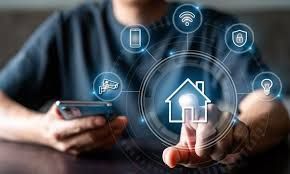
Explore Home Automation: A Complete Guide to Basics, Tips, and Smart Living
Last Update: March 02, 2026
Read
Townhouse Design Guide: Discover Layout Ideas, Space-Saving Tips, Planning Advice, and Essential Design Facts
Last Update: March 02, 2026
Read