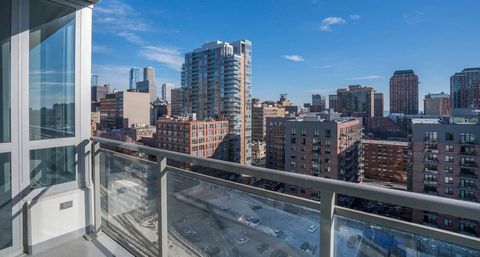
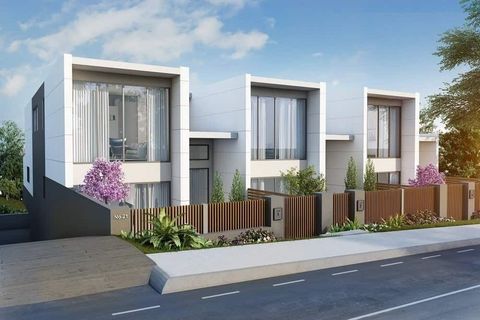
Apartments differ from standalone houses by offering shared infrastructure such as staircases, elevators, parking areas, and security features. This shared model allows efficient land use and supports dense urban environments. Rental apartments also provide an entry point to city living for students, working professionals, and families adjusting to changing life stages.
Importance
Rental apartments matter today because housing needs are changing faster than ownership patterns. Urbanization, remote work, and rising migration have increased demand for flexible living options. Rental housing supports people who relocate frequently or prefer not to commit to long-term property ownership.
This topic affects a wide range of groups:
-
Students moving to education hubs
-
Professionals transferring between cities
-
Families testing a new neighborhood before settling long term
-
Retirees downsizing for easier maintenance
Rental apartments help solve practical challenges such as location flexibility, access to employment centers, and predictable monthly housing expenses. They also reduce the responsibility of long-term property upkeep, which is often handled by owners or housing associations.
Recent Updates
Over the past year, several trends have influenced rental apartment living:
-
2024–2025: Increased preference for smaller, well-located units near public transport corridors
-
Mid-2024: Growth in co-living and shared apartment formats among young professionals
-
Late-2024: Digital documentation and online lease registration adoption expanded in many regions
-
Early-2025: Greater focus on energy efficiency, water conservation, and shared amenities
Technology has also shaped how people search for apartments, compare neighborhoods, and manage lease documentation. Virtual tours, digital agreements, and online grievance systems are now common in many urban markets.
Laws or Policies
Rental apartments are governed by tenancy laws that balance the rights of occupants and property owners. In India, housing regulations are influenced by state-level rules, with guidance from national frameworks.
Key regulatory aspects include:
-
Written lease agreements outlining duration, responsibilities, and conditions
-
Security deposits governed by state tenancy rules
-
Notice periods for vacating or revising lease terms
-
Maintenance responsibilities clarified between owner and occupant
Several states have adopted versions of the Model Tenancy Act (2021) to improve transparency, limit disputes, and formalize rental arrangements. Local municipal rules may also apply to registration, safety standards, and building compliance.
Understanding these regulations helps residents avoid disputes and ensures lawful occupancy.
Tools and Resources
Digital tools have simplified the rental apartment experience by improving access to information and documentation.
Helpful resources include:
-
Apartment search platforms with filters for location, size, and amenities
-
Rental calculators for monthly expense planning
-
Lease agreement templates aligned with state tenancy laws
-
Neighborhood comparison tools showing transit access and civic facilities
-
Online portals for lease registration and dispute resolution
These tools support informed decision-making and clearer communication between occupants and property owners.
Example Comparison Table: Apartment Types
| Apartment Type | Typical Size Range | Suitable For | Common Features |
|---|---|---|---|
| Studio | Small | Single occupants | Compact layout, combined living area |
| 1 Bedroom | Medium | Individuals or couples | Separate bedroom, basic storage |
| 2 Bedroom | Medium–Large | Small families | Shared living space, multiple rooms |
| 3 Bedroom | Large | Larger families | More privacy, extended amenities |
Expense Planning Overview
| Expense Category | Frequency | Notes |
|---|---|---|
| Monthly Rent | Monthly | Depends on location and size |
| Utilities | Monthly | Electricity, water, internet |
| Maintenance Charges | Monthly | Shared facilities upkeep |
| One-time Deposits | Start of Lease | Refundable as per agreement |
FAQs
What documents are usually required for renting an apartment?
Common requirements include identity proof, address verification, and a signed lease agreement. Some regions may also require police verification or digital registration.
How long are typical lease periods?
Lease durations commonly range from 11 months to multiple years, depending on local practices and mutual agreement.
Can rental terms be changed during the lease period?
Changes usually require consent from both parties and should be documented in writing or through an addendum.
Are furnished apartments common?
Yes, furnished and semi-furnished apartments are widely available, especially in metropolitan areas and near business districts.
What happens at the end of a lease?
At lease completion, occupants may renew, vacate after notice, or revise terms based on mutual discussion.
Conclusion
Rental apartments play a vital role in modern housing by offering flexibility, accessibility, and adaptability to changing lifestyles. Understanding the context, legal framework, recent trends, and available tools helps residents make informed housing decisions. As cities continue to grow and mobility increases, rental apartments will remain a practical and essential housing solution for diverse populations.